
Introduction
If you’re a plant lover, you’ve probably encountered the charming Crassula ‘Hobbit’ Jade Plant. This quirky succulent, with its tubular, glossy green leaves, makes a stunning addition to any indoor garden. But why stop at one? Propagating this plant is not only satisfying but also an affordable way to expand your collection or share it with friends. Let’s dive into this step-by-step guide on how to successfully propagate the Crassula ‘Hobbit’ Jade Plant.
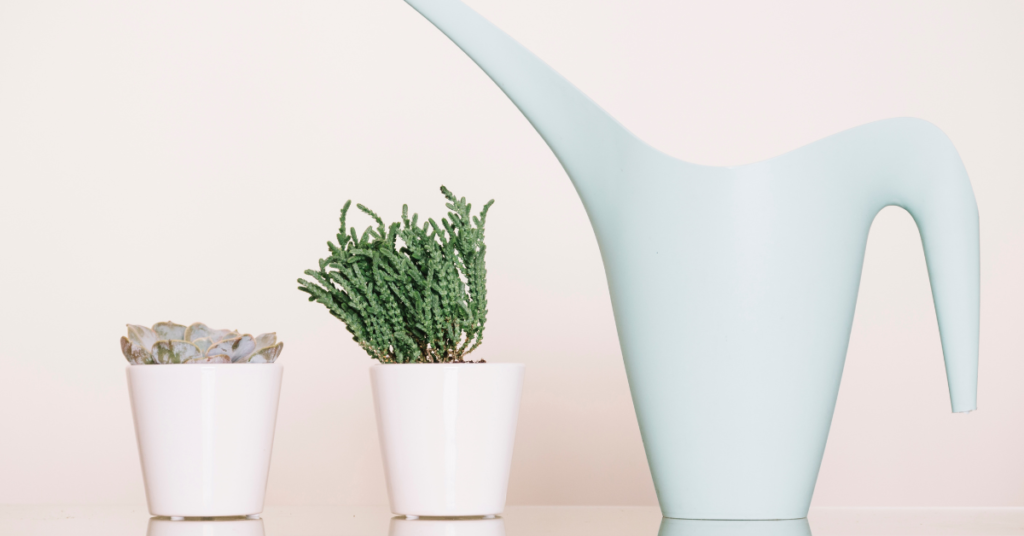
Understanding the Crassula ‘Hobbit’ Jade Plant
Origin and Features
The Crassula ‘Hobbit’ Jade Plant is a hybrid variety native to South Africa. Its unique, tubular leaves resemble tiny green horns, giving it a whimsical appearance. Belonging to the Crassulaceae family, this plant is hardy, drought-tolerant, and easy to care for.
Benefits of Growing This Succulent
- Low-maintenance and beginner-friendly
- Air-purifying qualities
- Brings positive energy according to Feng Shui
Tools and Materials Needed for Propagation
Essential Tools
- Pruning shears or a sharp knife
- Well-draining succulent soil
- Small pots with drainage holes
- Rooting hormone (optional)
Optional Supplies
- Spray bottle for misting
- Gardening gloves
Different Methods to Propagate Crassula ‘Hobbit’ Jade Plant
1. Leaf Propagation
Involves rooting individual leaves to grow new plants.
2. Stem Cuttings
The most reliable and fastest method.
3. Division
Separating clusters from mature plants to create new ones.
When is the Best Time to Propagate Crassula ‘Hobbit’?
Ideal Seasons
Spring and early summer are the best times for propagation when the plant is actively growing.
Signs Your Plant is Ready
Look for healthy, mature stems and leaves for the best propagation results.
Step-by-Step Guide to Propagation Using Stem Cuttings
1. Choosing the Right Stem
Select a healthy stem at least 3-4 inches long with multiple leaves.
2. Preparing the Cutting
Use clean, sharp shears to make a clean cut.
3. Allowing the Cutting to Callous
Let the cutting dry for 2-3 days until the cut end callouses.
4. Planting the Stem in Soil
Place the cutting in well-draining soil and water lightly.
Step-by-Step Guide to Propagation Using Leaf Cuttings
1. Selecting Healthy Leaves
Choose plump, undamaged leaves.
2. Proper Removal Techniques
Twist gently to detach the leaf without tearing.
3. Drying and Callousing
Allow the leaf to dry for 2-3 days.
4. Planting in Soil
Lay the leaf flat on the soil and mist lightly.
Soil Requirements for Propagation
A well-draining mix with perlite or sand is ideal. Avoid heavy, moisture-retentive soils.
Watering Guidelines During Propagation
How Often to Water
Water sparingly, allowing the soil to dry completely between waterings.
Signs of Overwatering
Yellowing leaves and mushy stems indicate excess water.
Temperature and Light Requirements
- Place in bright, indirect sunlight.
- Maintain temperatures between 65°F to 75°F (18°C to 24°C).
Caring for Young Crassula ‘Hobbit’ Plants
Fertilizer Needs
Use a diluted succulent fertilizer once a month during the growing season.
Transplanting Guidelines
Transplant young plants once they develop a strong root system.
Common Propagation Mistakes and How to Avoid Them
- Overwatering: Let the soil dry completely between waterings.
- Insufficient Light: Place in bright, indirect sunlight.
- Using Incorrect Soil Mix: Always opt for well-draining soil.
Signs of Successful Propagation
- New leaf or stem growth
- Visible root development
Troubleshooting Propagation Issues
Dealing with Rot
Remove affected parts and let the plant dry out.
Addressing Slow Growth
Ensure adequate light and proper watering.
Conclusion
Propagating the Crassula ‘Hobbit’ Jade Plant is a rewarding process that anyone can master. By following these simple steps, you’ll soon have a thriving collection of these delightful succulents. Don’t be afraid to experiment and enjoy the journey of nurturing new plants.